
Roof Shingle Types: Which Option Is Right for You?
Choosing the right roof shingles can affect your home's appearance, protection, maintenance needs, and long-term roofing investment. Asphalt shingles are one of the most common residential roofing options, but homeowners can choose from several shingle styles and other roofing materials depending on their home's design, roof structure, budget, and performance needs. Professional shingle roof services can help homeowners evaluate these factors before selecting a roofing material.
Understanding the differences between shingle types can help you make a more informed decision. From traditional 3-tab shingles to dimensional architectural shingles and premium designer options, each type offers different characteristics. A professional roofing evaluation from experienced roofing contractors can also help determine which materials are appropriate for your specific roof.
What Are Roof Shingles and How Do They Protect Your Home?
Roof shingles are individual roofing materials installed in overlapping layers across a roof. They create a protective surface designed to help keep water and weather away from the underlying roof structure.
Depending on the material and roofing system, shingles can help provide:
Weather Protection: Shingles form an exterior barrier that helps protect the roof from rain and other weather conditions.
Water Management: Properly installed shingles work with underlayment, flashing, and other roofing components to direct water away from vulnerable areas.
UV Protection: Roofing materials are exposed to sunlight every day, making material selection and proper installation important for long-term roof performance.
Wind Resistance: Certain roofing products are designed and tested to provide enhanced resistance to wind, depending on the product specifications and installation.
Fire Resistance: Many roofing products are available with fire-resistance classifications. The appropriate rating depends on the product and complete roofing assembly.
Curb Appeal: Shingles are available in different colors, textures, profiles, and designs, allowing homeowners to coordinate their roof with the exterior style of their home.
Long-Term Performance: The performance of a roof depends on more than the shingles themselves. Underlayment, flashing, ventilation, roof decking, installation quality, and maintenance all contribute to the overall roofing system.

What Are the Main Types of Roof Shingles?
Roof Shingle types vary by construction, appearance, performance characteristics, and investment level. Asphalt shingles are available in several styles, with 3-tab, architectural, and luxury or designer shingles being common categories for residential roofing.
3-Tab Shingles
3-tab shingles have a flat, uniform appearance and are manufactured with cutouts that create the appearance of three individual tabs along each shingle.
Key characteristics include:
Uniform, traditional appearance
Simple shingle profile
Generally positioned as a more economical asphalt shingle option
Available in a range of colors
Suitable for homeowners who prefer a straightforward roofing appearance
The specific performance and warranty of a 3-tab shingle depend on the manufacturer and product selected.
Architectural Shingles
Architectural shingles, also called dimensional or laminate shingles, are constructed with multiple layers to create a thicker and more textured appearance.
Benefits can include:
Dimensional appearance
Greater visual depth than traditional 3-tab shingles
Wide range of colors and styles
Ability to complement different architectural styles
Product options designed for different wind and weather conditions
Architectural shingles are a popular option for homeowners who want a more dimensional appearance while maintaining the benefits of an asphalt roofing system. Understanding the different roofing shingles can make it easier to compare these characteristics.
Luxury and Designer Shingles
Luxury or designer shingles are premium asphalt roofing products designed to create the appearance of higher-end roofing materials.
Some products are manufactured to resemble:
Natural slate
Wood shakes
Other premium roofing styles
These shingles can provide a more distinctive appearance and may be a good choice for homeowners who want their roof to play a stronger role in the overall architectural design of their home.
Performance, warranty coverage, and available designs vary by manufacturer and product.
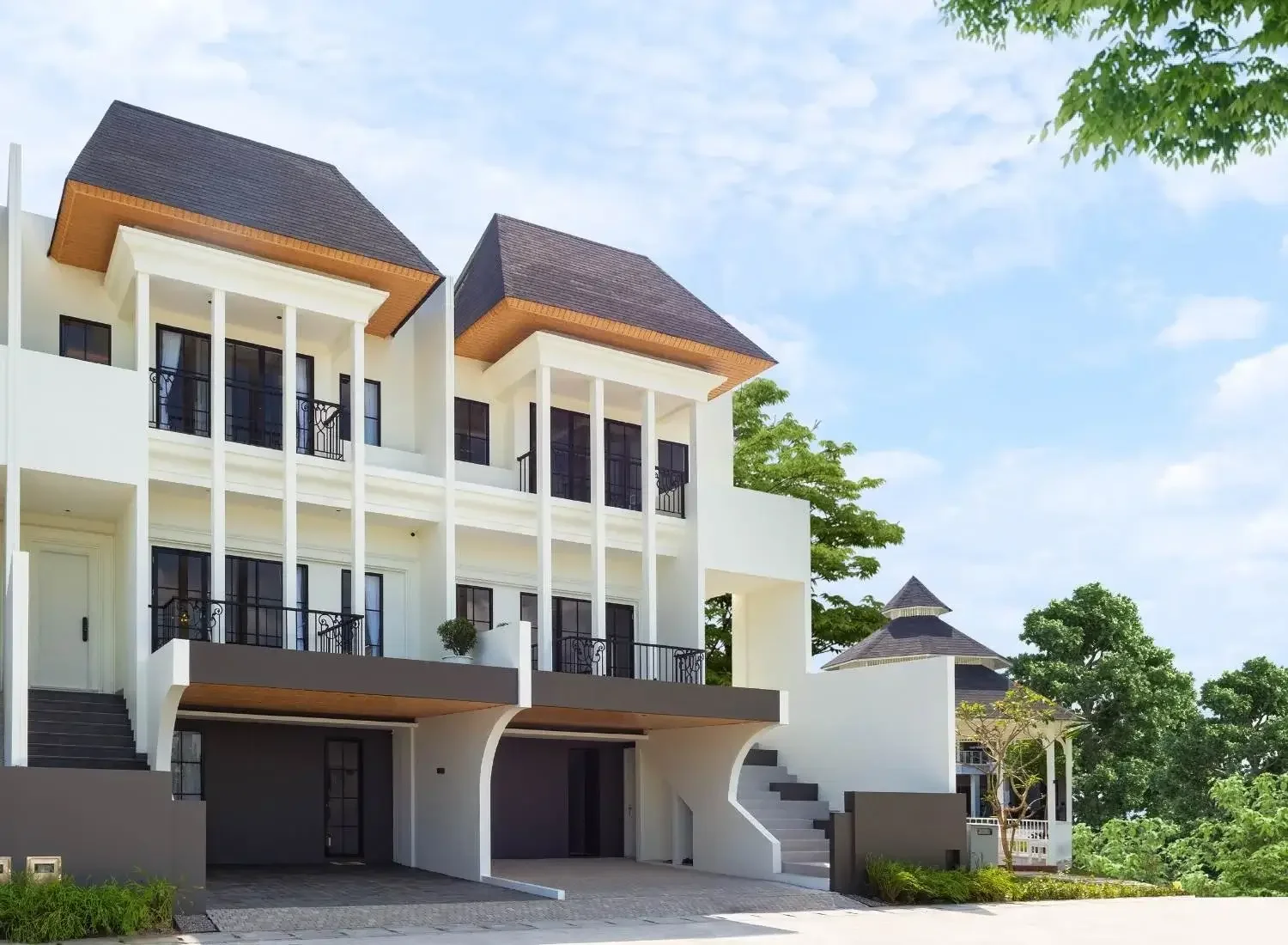
How Do Different Shingle Types Compare?
The right shingle depends on your home's design, budget, desired appearance, and performance requirements. The table below provides a general comparison of common asphalt shingle categories and can help you identify best roofing shingles for different priorities.
| Shingle Type | Appearance | Investment Level | Design Options | Best Suited For |
|---|---|---|---|---|
| 3-Tab Shingles | Flat and uniform | Lower | Basic color options | Homeowners looking for a straightforward roofing option |
| Architectural Shingles | Dimensional and textured | Moderate | Wide range of colors and styles | Homeowners seeking added visual depth and a versatile residential option |
| Luxury/Designer Shingles | Premium, often slate- or shake-inspired | Higher | Extensive premium designs | Homes where appearance and architectural detail are priorities |
| Impact-Resistant Shingles | Varies by product | Varies | Available in multiple styles | Properties where added impact protection is a priority |
What Other Roofing Materials Should You Consider?
Although asphalt shingles are widely used for residential roofing, they are not the only roofing material available. Depending on the property and roofing requirements, homeowners may also encounter other options. Experienced roofing contractors can explain how different materials may fit your property's requirements.
1. Composite or Synthetic Roofing
Composite and synthetic roofing products can be manufactured to resemble materials such as slate or wood shakes. Their specific construction, appearance, durability, maintenance requirements, and impact performance vary by product.
2. Impact-Resistant Roofing Shingles
Impact-resistant shingles are designed and tested to provide increased resistance to impact compared with standard products. Some products receive a Class 4 impact-resistance rating under applicable testing standards.
If impact resistance is important for your property, review the specific product rating and manufacturer's requirements rather than relying on a general material category.
3. Metal Roofing
Metal roofing is available in panels and shingle-style products. Depending on the product, metal roofing can provide long-term durability, resistance to certain weather conditions, and a distinctive appearance.
4. Natural Slate and Tile
Natural slate and tile offer distinctive architectural appearances and can provide long service lives when properly selected and installed. However, these materials can be significantly heavier than asphalt shingles, so the roof structure and installation requirements need to be evaluated before installation.
Not every roofing material is appropriate for every home. Roof slope, structural capacity, existing roofing, local requirements, budget, and desired appearance should all be considered before selecting a material.
How Do You Choose the Right Shingles for Your Home?
Selecting shingles involves more than comparing colors. If you're considering shingle roof installation, evaluate the following factors before making a decision.
1. Consider Your Roofing Budget
Different shingle categories and roofing materials have different material and installation costs. Consider both the initial investment and the expected performance and maintenance requirements over time.
2. Consider Your Home's Architectural Style
The roof can have a significant effect on your home's exterior appearance. A simple 3-tab profile may suit a traditional design, while architectural or designer shingles can provide additional dimension and visual detail.
3. Consider Your Local Weather Conditions
Your roof is exposed to heat, sunlight, wind, rain, and other environmental conditions. Choose a product that is appropriate for the conditions your roof will experience and follow the manufacturer's installation requirements.
4. Consider Fire-Resistance Requirements
Fire performance can be an important consideration when selecting roofing materials in California. Product ratings and requirements can vary, so homeowners should review the specific roofing assembly and applicable local requirements with a qualified roofing professional.
5. Consider Warranty Coverage
Roofing warranties can include separate manufacturer product coverage and contractor workmanship coverage. Always review what the warranty covers, its requirements, limitations, and the responsibilities of the homeowner.
For more information about Storm Guard Construction's warranty offerings, visit the Warranties page.
Which Roofing Options Work Well for Riverside, CA Homes?
Riverside-area homes experience significant sun and heat exposure, along with seasonal rain and periods of strong winds. These conditions make proper material selection and installation important considerations when replacing or installing a roof. Roofing contractor Riverside CA services can help homeowners evaluate these local roofing considerations.
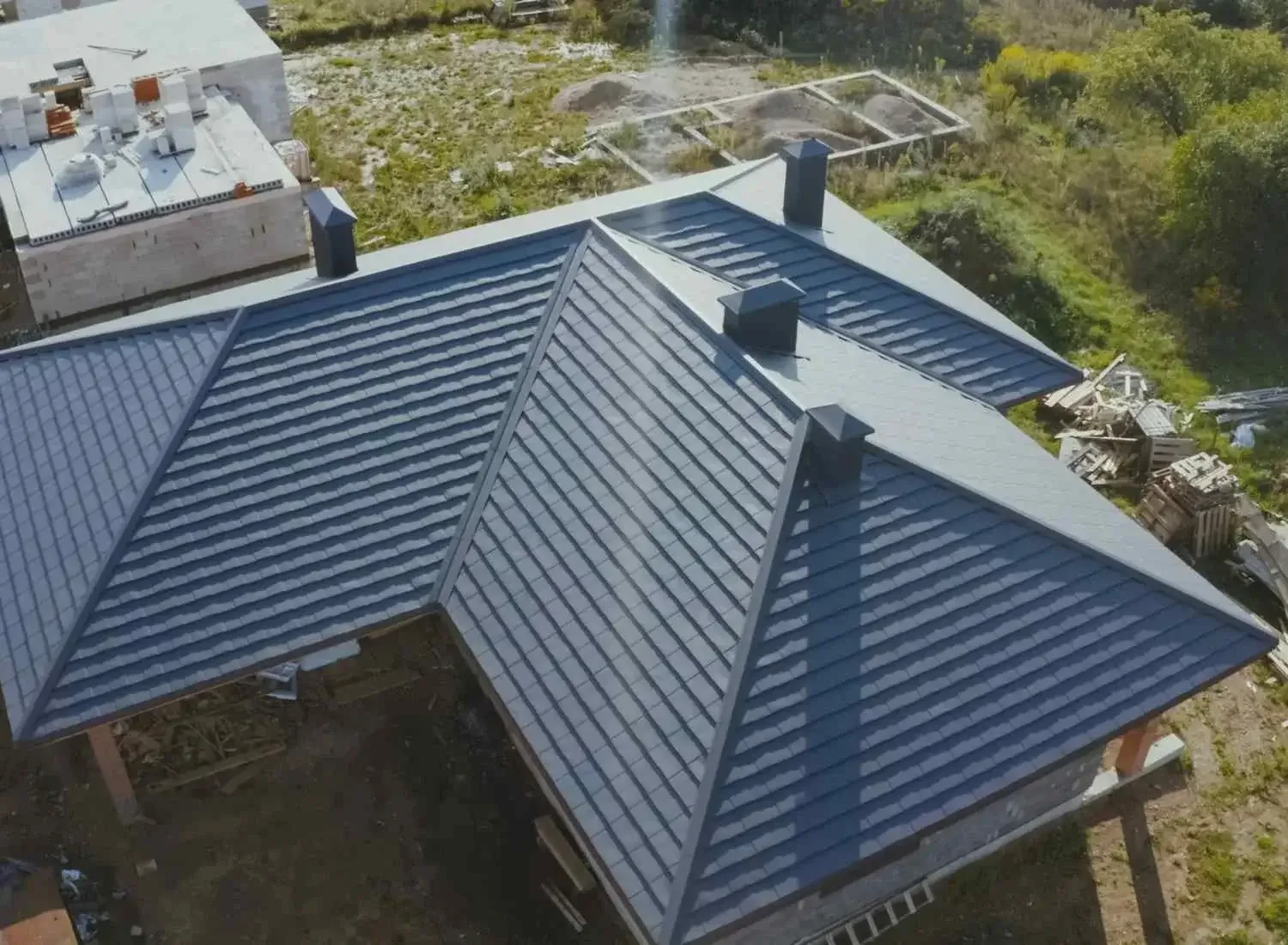
When evaluating roofing options for a Riverside home, consider:
Heat and Sun Exposure: Roofing materials are exposed to intense sunlight and heat, making product selection and proper ventilation important.
Weather Protection: The roofing system should be installed to properly manage rainwater and protect vulnerable areas.
Wind Performance: Check the wind-resistance specifications of the roofing product and make sure the installation follows the manufacturer's requirements.
Fire Resistance: California homeowners may also need to consider fire-resistance classifications and applicable local requirements.
Roof Ventilation: Proper ventilation can contribute to the overall performance and longevity of a roofing system.
Professional Installation: Even a quality roofing product can perform poorly if it is not installed correctly.
There is no single shingle type that is automatically right for every Riverside home. The best choice depends on the property's roof structure, existing condition, design, budget, and specific performance requirements.
When Should You Repair or Replace Your Shingles?
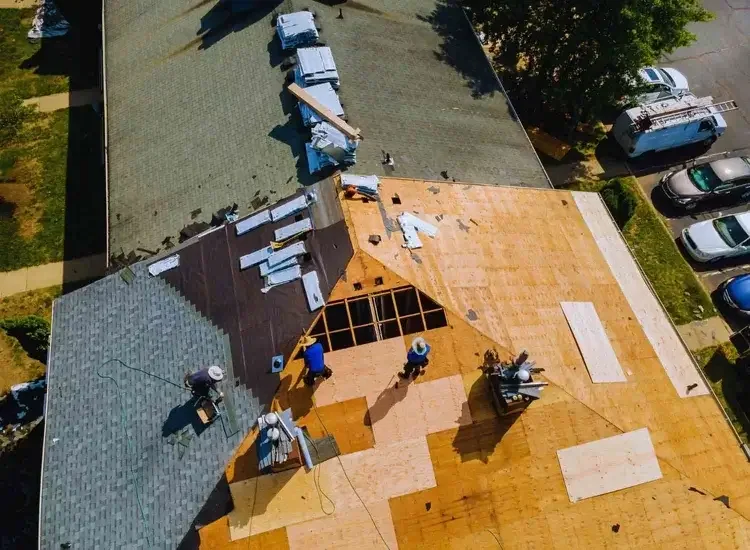
Common signs that your roof may need professional attention include:
Missing shingles
Cracked or damaged shingles
Curling or deteriorating shingles
Excessive granule loss
Water stains or signs of roof leaks
Repeated roof repairs
Widespread weather or storm damage
Significant deterioration across the roof surface
A professional roof inspection can help determine whether the issue can be addressed with a repair or whether replacement should be considered.
Not every damaged shingle requires a complete roof replacement. In some situations, individual repairs may be appropriate. In other cases, widespread deterioration or damage may make replacement the better long-term solution.
How Can Professional Installation Improve Your Shingle Roof's Performance?
The shingles are only one component of a complete roofing system. Proper shingle roof installation helps ensure that the different components work together as intended.
Professional roofing installation should account for:
Roof-deck condition
Underlayment
Flashing
Shingle placement
Fastening requirements
Roof ventilation
Ridge and edge details
Manufacturer installation specifications
Local building requirements
Final inspection and cleanup
Choosing the appropriate material is important, but proper installation is equally important to the overall performance of the roof. Professional shingle roof services can address the installation and system requirements that contribute to long-term performance.
Frequently Asked Questions About Roof Shingles

-
The most common asphalt shingle categories include 3-tab, architectural, and luxury or designer shingles. Other roofing options, such as composite, metal, slate, and tile, may also be considered depending on the property. These types of roofing shingles differ in appearance, construction, and available product specifications.
-
3-tab shingles have a flat, uniform profile, while architectural shingles use multiple layers to create a more dimensional appearance. Their specific performance, warranty, and cost vary by product.
-
Neither option is automatically right for every home. Architectural shingles can provide a more dimensional appearance and are available in a wide range of products, while 3-tab shingles may appeal to homeowners seeking a simpler and more economical option.
-
Shingle lifespan varies by product, manufacturer, installation quality, climate, maintenance, and exposure. Rather than relying on a general lifespan estimate, review the specifications and warranty of the specific product being considered.
-
Asphalt shingles can be a suitable roofing option for many Riverside homes. The appropriate product depends on factors such as roof design, climate exposure, fire-resistance requirements, budget, and installation specifications. A qualified Roofing contractor Riverside CA can help assess the specific requirements of your property.
-
Consider your budget, home's architectural style, desired appearance, weather exposure, fire-resistance requirements, product specifications, warranty coverage, and roof condition. A professional roofing evaluation can help narrow down the appropriate options and identify the best roofing shingles for your priorities.
-
In some cases, individual damaged shingles can be repaired or replaced. If damage or deterioration is widespread, however, a complete roof replacement may be more appropriate. An inspection can help determine the right solution.
-
Yes. Warranty coverage varies by manufacturer and product. Some warranties cover the roofing product while workmanship coverage may be provided separately by the roofing contractor. Always review the specific terms before choosing a roofing product.
Find the Right Roofing Option for Your Home
Choosing the right shingles starts with understanding your options and evaluating what your home actually needs. Storm Guard Construction provides roofing contractor services to help homeowners assess their existing roof, discuss available roofing options, and determine the right approach for their project.
Whether you're considering a new shingle roof, replacing an aging roof, or addressing storm-related damage, a professional evaluation can help you make an informed decision. If you're looking for roofing contractor services in the Riverside area, Storm Guard Construction can help you evaluate your project and available roofing options.
Request a Free Roofing Estimate and speak with Storm Guard Construction about your roofing project.