
Roof Design & Inspiration: Create a Look That Fits Your Home
Choosing a new roof is an opportunity to improve more than your home's protection. The right roof color, style, and overall design can complement your home's architecture, exterior materials, and personal style while creating a cohesive appearance. When reviewing roof designs for houses, consider how the finished roof will work with the rest of your property.
Your roof is one of the most visible parts of your home, so it is worth considering how different design choices will look together before making a final decision. From exploring roof designs for homes and styles to comparing combinations with your home's exterior, the design process can help you create a look that feels right for your home.
How Can Roof Design Transform Your Home’s Exterior?
A roof can have a significant influence on the overall appearance of your home. Its color, texture, and visual character can either blend with the existing exterior or create a stronger contrast that changes the way the home looks from the street.
When exploring roof designs for house options, consider how the roof works with the rest of the exterior, including:
Home architecture: The roof should complement the overall character and proportions of the home.
Exterior colors: Siding, paint, brick, and stone can influence which roof colors work well.
Trim and accents: Windows, doors, shutters, and trim can help guide your color selection.
Roof shape: The size, slope, and configuration of the roof can affect how much of the selected color is visible.
Personal style: Your roof can reflect whether you prefer a classic, understated, bold, or contemporary appearance.
Looking at the roof as part of the complete exterior rather than as an individual feature can make it easier to create a balanced design. This approach can also help you identify a home roof design that works with your property's existing features.

Factors to Consider When Choosing the Best Roof Color for Your Home
Choosing a roof color involves more than selecting your favorite shade. The color should work with the other exterior elements of your home and create an appearance you will be comfortable with for years to come. Consider these factors when comparing roof colors and roofing ideas:
Start With Your Existing Exterior
Look at the colors already present on your home, including siding, brick, stone, stucco, trim, doors, and other permanent features. A roof color that works with these elements can help create a more coordinated appearance.
Consider Light and Dark Roofing Colors
Lighter and darker roof colors can create different visual effects. A lighter option may provide a softer appearance, while a darker roof can create stronger contrast with a lighter exterior. These differences are useful to consider when evaluating residential roof design options.
Look at Color Blends
Many roofing shingles use blends of multiple tones rather than one solid color. These variations can add depth and dimension to the roof and may coordinate with several exterior colors.
View Samples in Natural Lighting
Colors can look different depending on lighting and surroundings. Whenever possible, compare actual samples with your home's exterior in different natural lighting conditions before making a final decision.
Think About Your Long-Term Preferences
Roofing is a significant home improvement investment. Choose a color and design that fits your home's existing character while also matching the look you want for the long term. Reviewing different roof designs for homes can help you identify an appearance that remains appealing over time.
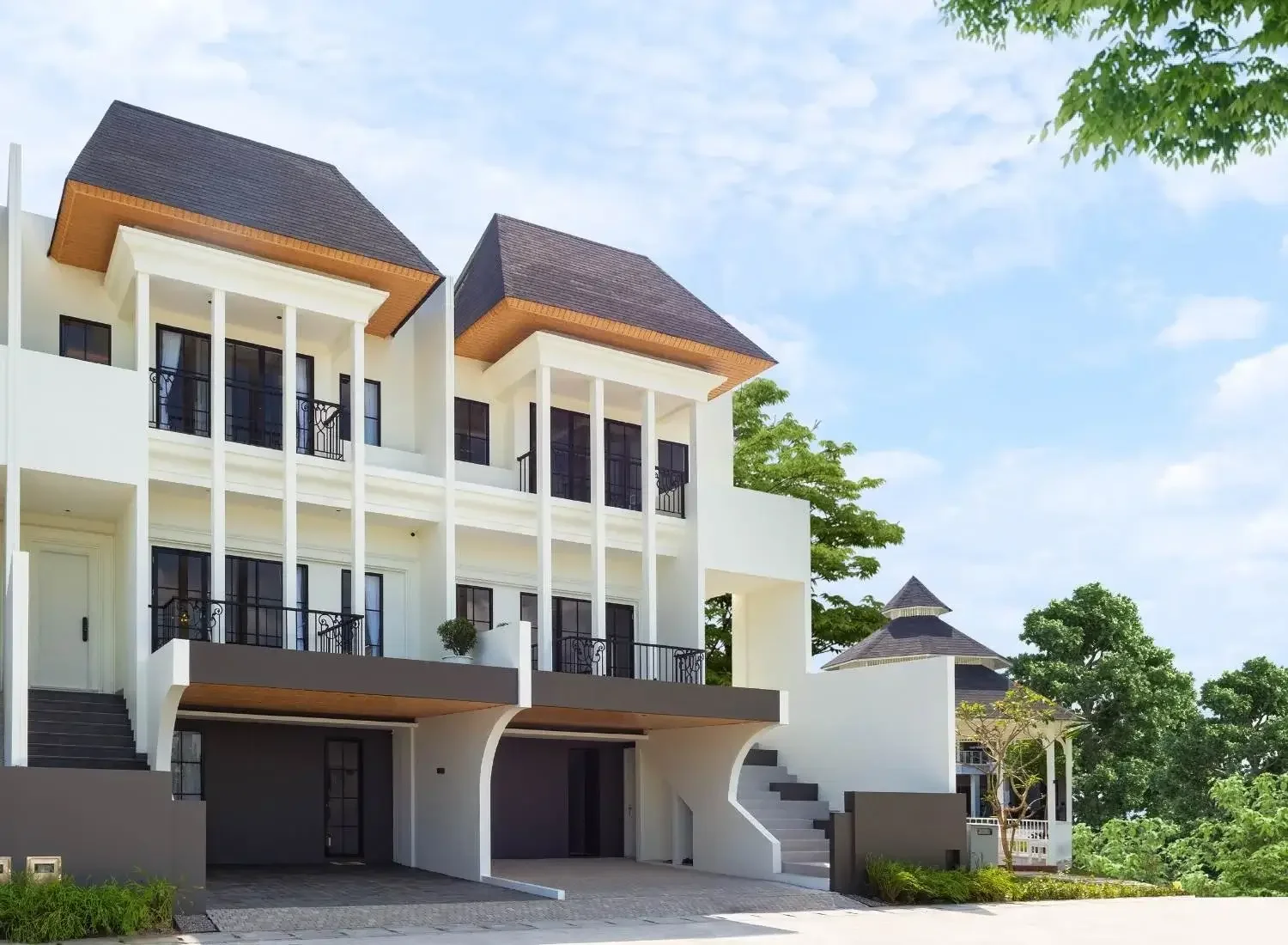
How to Match Your Roof With Your Home’s Exterior?
A well-coordinated exterior brings individual design elements together instead of allowing one feature to compete with another.
When choosing a roof, consider how it works with:
| Exterior Element | What to Consider? |
|---|---|
| Siding | Look for roof colors that complement or intentionally contrast with the siding. |
| Brick | Consider the existing undertones and blended colors within the brick. |
| Stone | Use the natural tones in the stone as a reference when comparing roof colors. |
| Trim | Consider whether the roof should blend with or contrast against the trim. |
| Doors & Windows | Accent colors can help guide the overall exterior palette. |
| Landscaping | Consider the surroundings and how the finished exterior will look within the property. |
The goal is not necessarily to make every exterior element the same color. Instead, look for a combination that creates visual balance and complements the home's overall design. This can make it easier to design a roof that feels integrated with the entire property.
Roof Styles That Complement Different Home Designs
The architectural character of your home can help guide your roof design choices. Different homes may benefit from different combinations of roof color, texture, and visual character. Reviewing modern roof design types alongside traditional options can help you understand the range of possibilities.
Traditional Homes
Traditional homes often work well with classic, balanced roof colors that complement existing exterior materials without overpowering them.
Ranch-Style Homes
Ranch homes typically have broad rooflines, making the roof a prominent part of the exterior. Consider how the selected color will work across the larger visible roof area.
Craftsman Homes
Craftsman homes often feature natural materials, detailed trim, and strong architectural elements. Earth-inspired or complementary roof colors may help reinforce these characteristics.
Modern Homes
Modern exteriors may provide an opportunity to use stronger contrast, cleaner color combinations, and a more contemporary roof appearance. For homeowners considering a modern rooftop design for home, the surrounding exterior materials should remain part of the design decision.
Farmhouse-Style Homes
Farmhouse-inspired designs can work with a range of roof colors depending on the siding, trim, windows, and other exterior features.

How to Use Color and Style Combinations for Inspiration?
Looking at individual roof colors can be helpful, but seeing several exterior elements together can provide a better understanding of how a finished design may look. Comparing best roof ideas can also help you recognize combinations that suit your home's architecture.
Style combinations can help you compare:
Roof color with siding color
Roof color with brick or stone
Trim and accent colors
Light and dark exterior combinations
Warm and cool color palettes
Subtle and high-contrast designs
Creating a simple visual collection of colors, photographs, materials, and homes that inspire you can also help narrow down your preferences.
Rather than choosing a roof color in isolation, consider the overall exterior palette and how each element contributes to the finished appearance. Design resources such as style boards and color pairings use this same approach to help homeowners visualize a complete exterior direction. These references can be especially useful when gathering roof ideas for house projects.
What Should You Consider Before Choosing Your Roof Design?
1. Your Home's Architecture
Consider your home's architectural style, proportions, rooflines, and existing design details. A roof color and style that complement these features can create a more cohesive exterior appearance.
Choosing a roof design is both a visual and practical decision. The right design should complement your home's architecture and existing exterior while fitting your personal preferences and the requirements of the roofing project. Before making your final selection, consider the following:
2. Existing Exterior Materials
Look at the materials already used on your home, including brick, stone, stucco, siding, trim, and other permanent features. The colors and textures of these materials can help guide your roof design and color selection.
3. Roof Size and Shape
The size, slope, and shape of your roof can affect how its color and design appear. A color that looks subtle on a smaller roof may have a stronger visual impact when used across a larger or more prominent roofline.
4. Natural Lighting
Roof colors can appear different depending on the time of day, weather conditions, and surrounding environment. Compare samples in natural outdoor lighting to get a better idea of how your preferred color may look on your home.
5. Neighborhood and Surroundings
Consider the landscape, nearby homes, and overall character of your neighborhood. Your roof does not need to match surrounding properties, but understanding the surrounding environment can help you choose a design that feels appropriate for your home.
6. Personal Style
Your roof is a long-term part of your home's exterior, so choose a design that reflects your personal preferences. Consider whether you prefer a traditional, modern, natural, bold, or understated appearance.
7. Material Availability and Compatibility
Your preferred design should also be compatible with the roofing materials available for your project. Roofing materials and components may have specific installation and compatibility requirements, so design preferences should be considered alongside the technical requirements of the roofing system.
8. Long-Term Appeal
Consider how you will feel about your roof design several years from now. Current trends can provide inspiration, but choosing a color and style that complement your home's architecture and suit your personal preferences can help create a look you are comfortable with for the long term.
For homeowners comparing the type of roof design that may work best, practical requirements should be considered alongside appearance.
How Can You Visualize Your Roof Before Installation?
Seeing a roof color on an actual home can make it easier to understand how the finished design may look than viewing a small color sample alone. Visualization can also help when comparing different roof modern concepts with more traditional styles.
Visualization tools can help homeowners compare different roof colors and see how they interact with the home's exterior. Some roofing visualization tools allow users to upload a photo of their home or select a sample home and experiment with different roof colors.
When using a visualization tool, compare options based on:
Overall exterior appearance
Roof-to-siding coordination
Contrast between the roof and exterior
Trim and accent colors
Daylight appearance
Your preferred architectural style
Digital visualization is a useful starting point, but screen colors can vary from actual roofing materials. Whenever possible, compare your preferred option with a physical shingle sample before making a final selection. Roofing manufacturers also recommend checking actual samples because display colors can differ from the material itself.
Turn Your Roof Inspiration Into a Final Design
Once you have explored different roof colors, styles, and exterior combinations, the next step is to narrow your ideas into a design that fits your home. A simple process can help you compare your options and move from inspiration to a practical roofing decision. Reviewing roofing ideas from homes with similar architecture can make this process easier.
Gather Roof Design Inspiration
Collect photos, roof colors, exterior combinations, and home designs that reflect the look you want. Pay attention to patterns in the styles and colors you consistently prefer.
Identify Your Preferred Roof Color Direction
Decide whether you prefer lighter, darker, warmer, cooler, neutral, or more distinctive roof colors. This can help narrow your choices before comparing specific options.
Compare Roof Colors With Your Home’s Exterior
Consider how your preferred roof colors work with your home's siding, brick, stone, stucco, trim, doors, and other permanent exterior features. Look for combinations that create a balanced overall appearance.
Visualize Different Roof Design Options
Use available images, physical samples, project galleries, or roof visualization tools to compare different possibilities. Viewing the options together can make it easier to understand how the finished design may look.
Narrow Down Your Roof Design Choices
Compare your preferred options based on appearance, compatibility with your home's exterior, personal style, and the requirements of your roofing project. Select the designs that best meet your priorities. This is also a good stage to compare the best roof designs that fit your home's architectural character.
Finalize Your Roof Design
Once you have narrowed down your choices, discuss them with a roofing professional. They can evaluate your existing roof, explain which options are appropriate for your project, and help you move from your preferred design to the final roofing plan.
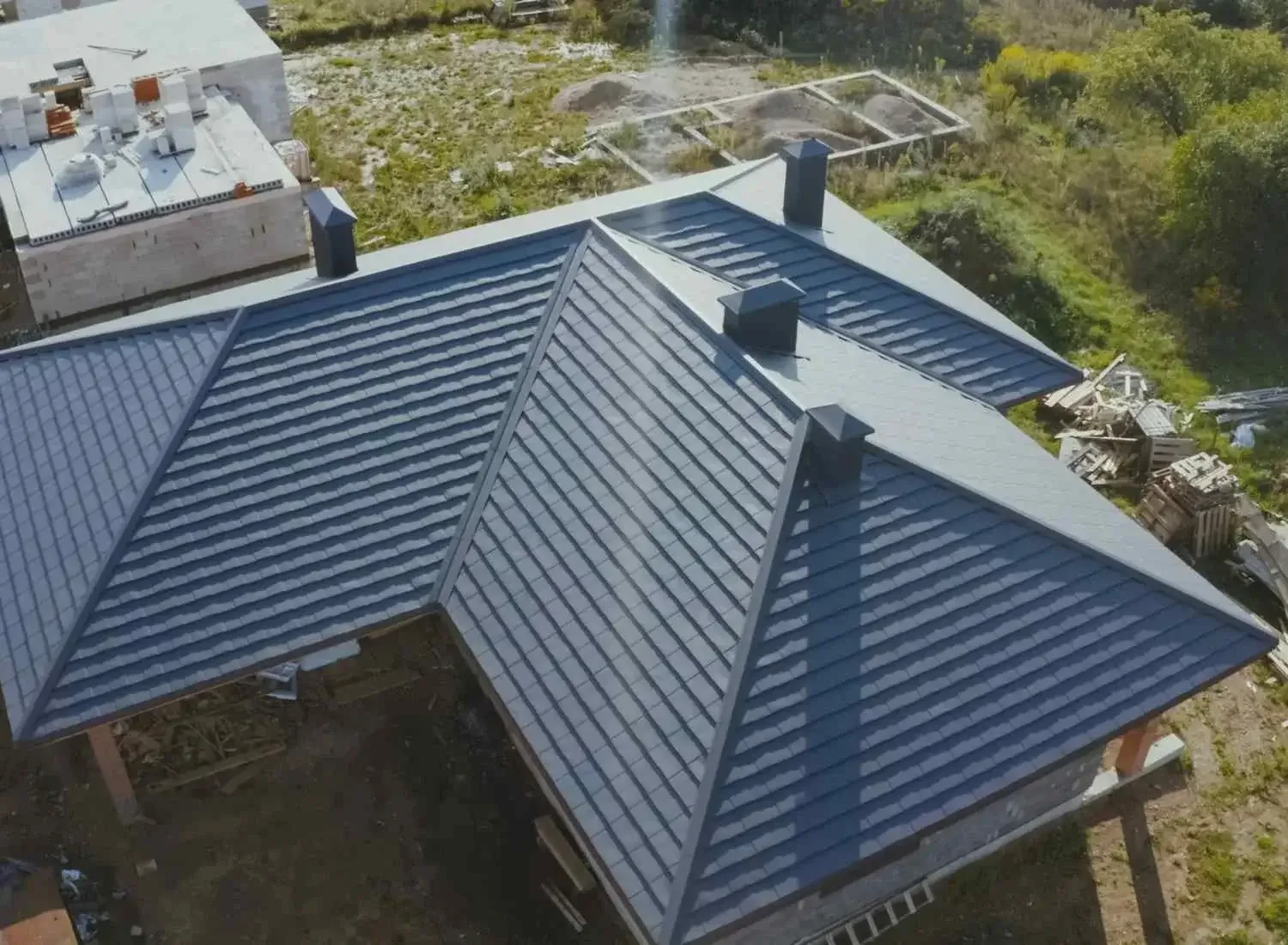
Start Planning Your Roof Design With Storm Guard Construction
Your new roof should provide the protection your home needs while also complementing its overall appearance. From choosing a roof color to coordinating it with your home's exterior, thoughtful planning can help you feel more confident about your final design.
Storm Guard Construction can help you evaluate your roofing needs, discuss available design options, and determine the right approach for your home. Whether you are researching roof designs for houses or considering a more contemporary style, professional guidance can help connect your preferences with practical roofing requirements.
Ready to start planning your roof design? Contact Storm Guard Construction at (951) 218-5176 to discuss your project and roofing options.
Frequently Asked Questions

-
Consider your home's architecture, siding, brick, stone, trim, doors, windows, surroundings, and personal style. Comparing actual samples with your home's exterior can also help you make a more informed choice.
-
Your roof does not necessarily need to match your home's exterior. It can complement the existing colors or create intentional contrast. The goal is to create a balanced combination that works with the home's overall design.
-
Consider your home's architectural style, roof shape, exterior materials, color palette, natural lighting, surroundings, personal preferences, material options, and long-term appearance. These factors can help you choose from different roof designs for house styles without focusing only on appearance.
-
Roof visualization tools can help you compare different roof colors on a home image. You can also review photographs of completed roofing projects and compare physical shingle samples with your home's exterior.
-
Yes. Roof colors can appear different depending on lighting, surroundings, and viewing conditions. For this reason, it is helpful to evaluate actual samples outside and at different times of day before making a final selection.
-
Look at the colors and undertones already present in the brick or stone. Choose a roof color that complements those tones rather than competing with them.
-
Yes, visualization tools can help you compare different roofing colors and understand how they may affect the appearance of your home's exterior. They should be used as a design aid alongside physical samples and professional guidance.
-
Trends can provide inspiration, but your home's architecture, existing exterior, and long-term preferences should be more important when making a roofing decision. Choose a design that you expect to enjoy for years to come. Reviewing modern roof design types can provide ideas while still allowing you to prioritize the character of your home.
-
Yes. Storm Guard Construction can discuss your roofing goals, evaluate your existing roof, and help you understand the available options for your project. If you are ready to design a roof that complements your home's exterior, the team can help you evaluate appropriate roofing options.