
Build Your Roof: Choose the Right Roofing Components
Building a roof involves more than selecting shingles. A complete roofing system includes multiple components that work together to protect your home from moisture, wind, heat, and everyday weather exposure. Each layer has a specific purpose, from the materials covering the roof surface to the ventilation that helps manage airflow in the attic.
The Build Your Roof experience helps you understand these components and how they fit together. Whether you're planning a roof replacement or exploring your options, learning how each part contributes to the overall system can help you make more informed decisions for your home. If your existing roof has damage, addressing issues early with a local roof repair service can also help prevent more extensive problems.
What Are the Key Components of a Complete Roofing System?
A properly designed roofing system combines several components rather than relying on one material for protection. The right combination depends on your roof design, existing structure, weather exposure, ventilation needs, and project requirements.
Shingles: The Primary Roof Covering
Shingles are the most visible part of your roof and provide the primary exterior covering over the roof deck. They play an important role in protecting the home from rain, wind, sunlight, and other weather conditions while also contributing to its overall appearance.
When selecting shingles, homeowners can consider:
Style and appearance: Choose a profile and color that complement your home's exterior.
Durability: Different shingles are designed to provide different levels of long-term performance.
Weather resistance: Consider the wind, rain, sun, and other conditions your roof may experience.
Budget: Material costs can vary depending on the shingle type and performance characteristics.
Manufacturer requirements: Installation and component requirements can vary between roofing products.
The shingles are only one part of the overall system. They work alongside the materials installed underneath and around them to provide more comprehensive roof protection.
For a closer look at available shingle options, explore our Shingle Types page.
Ice & Water Protection: An Added Defense Against Moisture
Certain areas of a roof are more vulnerable to water intrusion than others. Ice & Water Protection provides an additional moisture-resistant layer in areas where water can collect, flow, or enter around roof details.
Depending on the roof design and installation requirements, protection may be used around areas such as:
Eaves
Valleys
Roof-to-wall transitions
Chimneys
Skylights
Other vulnerable roof penetrations
This additional layer works beneath the shingles to help protect the roof deck from moisture. It is especially valuable in areas where normal water-shedding materials may face greater exposure.
Starter Shingles: Protection Along Roof Edges
Starter shingles are specially designed for the first course of shingles installed along the roof's edges. They establish the foundation for the subsequent courses of shingles and help create a properly sealed roof edge.
Properly installed starter shingles can help:
Establish the first shingle course
Create a secure starting point for the field shingles
Protect exposed roof edges
Support resistance to wind uplift
Provide an appropriate sealing surface
Although starter shingles may not be noticeable once the roof is completed, they are an important part of proper roof installation.
Underlayment: A Secondary Barrier Beneath the Shingles
Underlayment is installed over the roof deck and beneath the shingles. It provides another layer between the exterior roofing materials and the structure of your home.
A quality underlayment can help:
Provide additional protection against moisture
Create a secondary water-shedding surface
Protect the roof deck during the roofing process
Support the performance of the overall roofing assembly
Add another level of defense beneath the primary roof covering
The underlayment should be selected and installed according to the roofing system and manufacturer requirements.
Hip & Ridge Shingles: Protection at Roof Peaks
Hips and ridges are the raised areas where different roof planes meet. These areas require specialized materials to provide appropriate coverage and a finished appearance.
Hip and ridge shingles help:
Cover exposed roof peaks
Protect roof intersections from weather
Create a finished appearance
Complete the transition between different roof planes
The correct hip and ridge products should be compatible with the primary shingles and installed according to the roofing manufacturer's specifications.
Ventilation: Maintaining Balanced Attic Airflow
Roof ventilation helps move air through the attic and manage heat and moisture. A properly designed ventilation system generally uses both intake and exhaust ventilation to encourage balanced airflow.
Intake ventilation allows fresh air to enter the attic, commonly through areas near the roof's lower edge or soffits.
Exhaust ventilation provides an exit point for warm and humid air, often through vents located near the roof's upper portion.
Proper ventilation can help:
Manage attic heat
Reduce moisture accumulation
Support the condition of attic materials
Help protect insulation from excessive moisture
Contribute to the long-term performance of the roofing system
Ventilation requirements vary based on the roof design and attic configuration, so the system should be properly evaluated as part of the roofing project.
How Different Roofing Components Work Together?
| Roofing Component | Where Is It Used? | Primary Purpose |
|---|---|---|
| Shingles | Main roof surface | Provides the primary exterior covering and weather protection |
| Ice & Water Protection | Vulnerable areas of the roof | Adds additional defense against moisture intrusion |
| Underlayment | Beneath the shingles | Provides a secondary moisture barrier over the roof deck |
| Starter Shingles | Along roof edges | Establishes and protects the first shingle course |
| Hip & Ridge Shingles | Roof hips and ridges | Protects roof peaks and provides a finished appearance |
| Ventilation | Attic and roof ventilation areas | Supports balanced airflow and moisture management |
A complete roofing system works as a coordinated assembly. The individual components serve different purposes, but their combined performance provides more comprehensive protection than any single component could provide on its own.
Together, these components create a roofing system designed around several layers of protection. The shingles handle the primary exterior exposure, while the materials underneath provide additional moisture protection. Specialized edge and ridge components address areas with unique installation requirements, and ventilation helps manage conditions within the attic.
The Role of Roofing Components in Overall Roof Performance
The performance of a roof depends on more than the quality of its visible shingles. Properly selected and installed components can work together to address several aspects of roof performance.
Moisture Management
Shingles, underlayment, and Ice & Water Protection work together to help direct water away from the roof deck and protect vulnerable areas from moisture intrusion.
Weather Protection
The roof must withstand exposure to rain, wind, sunlight, and changing weather conditions. Properly selected shingles and supporting components contribute to the roof's ability to handle these conditions.
Roof Edge and Peak Protection
Starter shingles and hip and ridge shingles address areas where standard field shingles cannot simply be installed in the same manner as the main roof surface.
Attic Airflow
Ventilation helps move air through the attic, supporting moisture management and helping regulate attic conditions.
Long-Term Roof Performance
A complete system that is properly designed, installed, and maintained can help support the overall performance and service life of the roof.
Key Considerations for Building Your Roofing System
Every home has different roofing requirements. Before selecting materials, homeowners should consider the characteristics of the existing roof and the goals of the project.
Roof Design and Structure
The roof's slope, shape, size, valleys, ridges, penetrations, and other structural features can influence which roofing components are appropriate.
Local Weather Exposure
Consider the conditions your roof regularly faces, including strong winds, heavy rain, intense sunlight, and seasonal weather changes.
Material Selection
Roofing materials should be selected based on appearance, performance, compatibility, manufacturer requirements, and project budget.
Moisture Protection
Areas that are more susceptible to water exposure may require additional protection beneath the primary roof covering.
Ventilation Requirements
The attic and roof design should be evaluated to determine the appropriate intake and exhaust ventilation approach.
Appearance
Your roof represents a significant portion of your home's exterior. Shingle style and color can influence curb appeal and should complement the home's architecture.
Budget and Long-Term Value
The lowest initial price is not always the best choice for a roofing project. Consider material performance, installation requirements, maintenance, warranties, and expected service life when comparing options.
Manufacturer Requirements
Roofing components are designed to work within specific installation systems. Products should be selected and installed according to applicable manufacturer specifications.
Why Proper Installation Is Essential to Roof Performance?
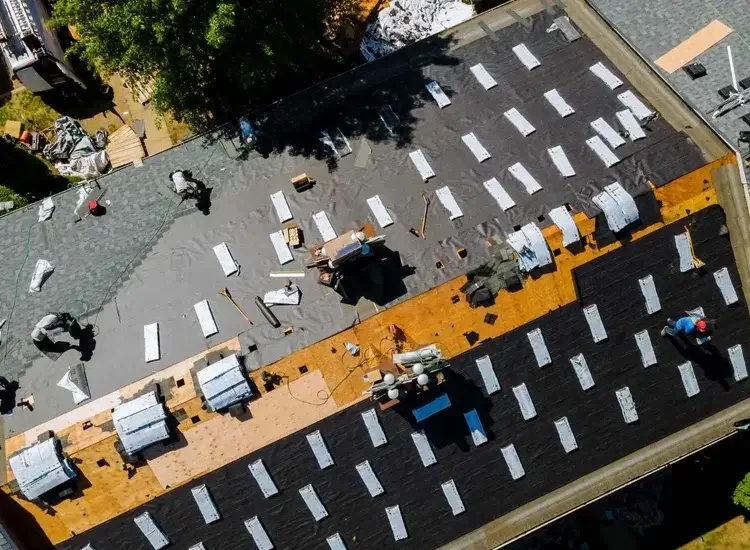
Selecting the right roofing components is only part of the process. Those components also need to be installed correctly so that the roofing system can perform as intended.
Professional installation helps ensure that important details are properly addressed, including:
Roof deck preparation
Underlayment placement
Ice & Water Protection
Starter shingle installation
Shingle fastening
Flashing around roof penetrations
Hip and ridge installation
Ventilation
Roof-edge details
Manufacturer installation requirements
An experienced roofing contractor can also evaluate the existing roof and identify conditions that may need attention before the new roofing materials are installed. For properties in the area, a roofing contractor Riverside, CA can assess local roofing requirements and recommend an appropriate approach.
The Roof Replacement Process: From Inspection to Installation
A successful roof replacement starts with understanding the condition of the existing roof and ends with proper installation of the new roofing system. For homeowners planning roof replacement Riverside projects, evaluating the entire system is important rather than focusing only on visible shingles.
1. Evaluate the Existing Roof
The first step is determining the current condition of the roof, including the shingles, roof deck, flashing, ventilation, and other components.
2. Determine Your Roofing Needs
Consider your home's design, weather exposure, appearance preferences, performance expectations, and project budget.
3. Select the Roofing Components
Choose the appropriate shingles and supporting components for the roof design and installation requirements.
4. Prepare the Roof
Before installation, the existing roofing materials are removed as needed and the roof deck is evaluated and prepared for the new system.
5. Install the Roofing System
The roofing components are installed in the appropriate sequence, including moisture protection, underlayment, shingles, starter materials, hip and ridge components, flashing, and ventilation.
6. Complete the Final Inspection
The completed roof should be reviewed to ensure that the installation is properly finished and that important roofing details have been addressed.
Get Started With Your Roofing Project
Planning a new roof can involve many decisions, from selecting shingles and moisture-protection materials to determining the right ventilation and installation approach. Understanding how the individual components work together can make it easier to evaluate your options.
Storm Guard Construction can help you assess your roofing needs, discuss available options, and determine the appropriate roofing components for your project. If you need roof repair and replacement service, a professional evaluation can help determine whether repair or full replacement is the more appropriate solution.
Ready to plan your next roofing project? Contact Storm Guard Construction at (951) 218-5176 to discuss your roofing needs and request an estimate.
Frequently Asked Questions About Building Your Roof

-
A complete roofing system can include shingles, Ice & Water Protection, underlayment, starter shingles, hip and ridge shingles, flashing, and properly designed ventilation. The exact components depend on the roof design and project requirements.
-
No. Shingles provide the primary exterior covering, but other components help manage moisture, protect vulnerable areas, complete roof edges and peaks, and support proper attic airflow.
-
Underlayment is installed beneath the shingles and provides an additional layer of protection over the roof deck. It helps provide a secondary water-shedding barrier beneath the primary roof covering.
-
Ice & Water Protection provides additional moisture defense in vulnerable areas of the roof, such as eaves, valleys, and certain roof penetrations. Its use depends on the roof design and applicable installation requirements.
-
Starter shingles are installed along the roof edges to establish the first course of shingles and provide an appropriate sealing and weather-protection detail.
-
Hip and ridge shingles are specially designed roofing materials used along the raised areas where roof planes meet. They help protect these areas while providing a finished appearance.
-
Proper roof ventilation supports airflow through the attic by providing appropriate intake and exhaust. Balanced ventilation can help manage attic heat and moisture.
-
The appropriate roofing components depend on factors such as roof design, existing conditions, weather exposure, material compatibility, ventilation requirements, manufacturer specifications, and budget. A professional roof evaluation can help determine the right approach.
-
No. Roofing systems can vary based on the home's design, roof slope, climate, existing conditions, materials selected, ventilation requirements, and applicable installation specifications.
-
If you notice water stains, missing or damaged shingles, or signs of moisture entering your home, a professional inspection can help identify the source. Roof leak repair Temecula homeowners need should be addressed promptly to help prevent further damage.
-
Contact a qualified roofing professional for an inspection rather than attempting to address the source based only on visible interior damage. Roof leakage repair services can help identify the affected area and determine whether a repair or broader roofing solution is appropriate.
-
In some cases, localized damage can be repaired without a complete replacement. However, widespread deterioration or recurring problems may indicate that replacement is more appropriate. A professional evaluation can help determine the best solution for the roof.